In short: buy open-ended toys over one-trick ones, match what your child is working on right now rather than the age on the box, and pay extra only for sturdiness, not decoration.
Every family has the same shelf: two or three toys played with almost daily, and a bigger pile that was opened, enjoyed for a week and then ignored. The annoying part is that both groups usually cost about the same. Price tells you very little here. Fit tells you almost everything.
Open-ended beats impressive
A toy that does one spectacular thing has a short life. Your child learns the trick, and the trick is over. A toy your child can give a purpose to keeps working for years, because the play changes as they do.
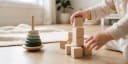
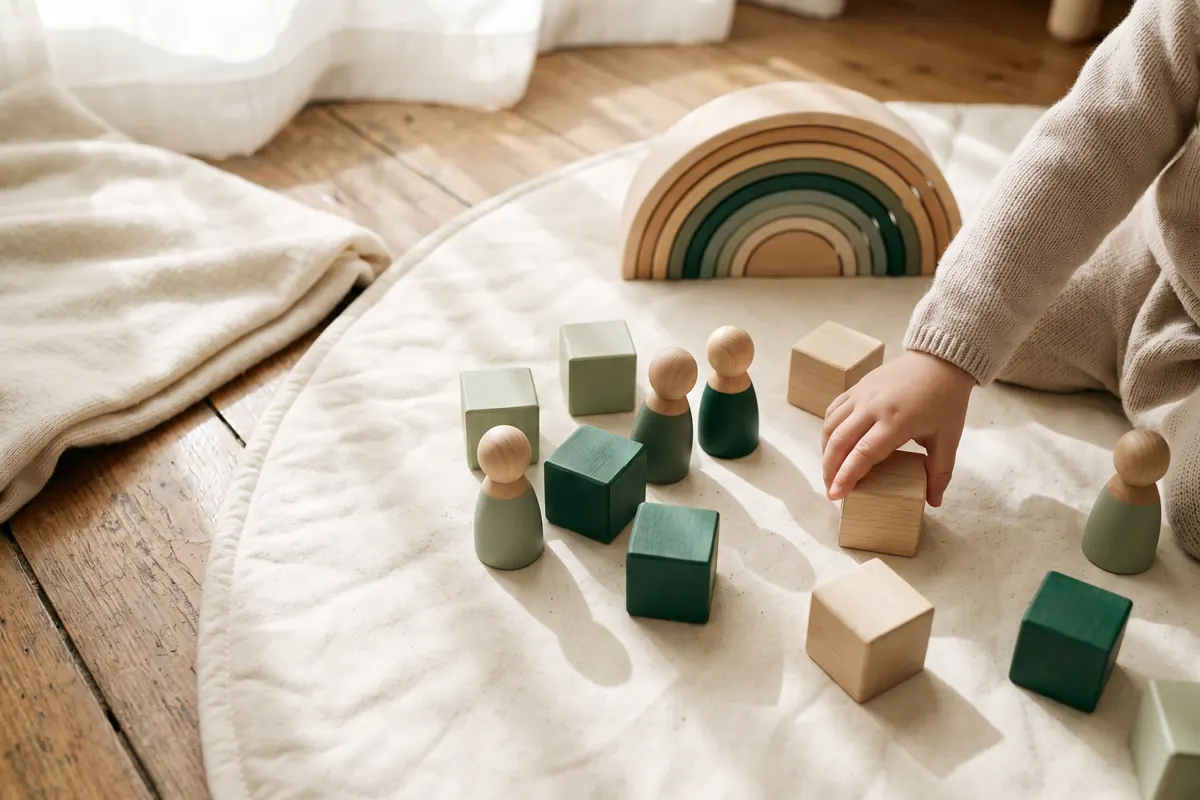
Blocks, stacking sets, simple figures and basic craft materials fall into this group. They look less exciting in the shop and outlast almost everything else. If there is one reliable rule in buying for children, this is it.
Match the stage, not the age on the label
Age ranges on packaging are a safety guide and a marketing bracket. They are not an assessment of your child. A toy a little below where they are bores them. A little above, and it becomes frustrating instead of fun.
A better question: what are they practising right now?
- Fitting things into other things: shape sorters, nesting cups
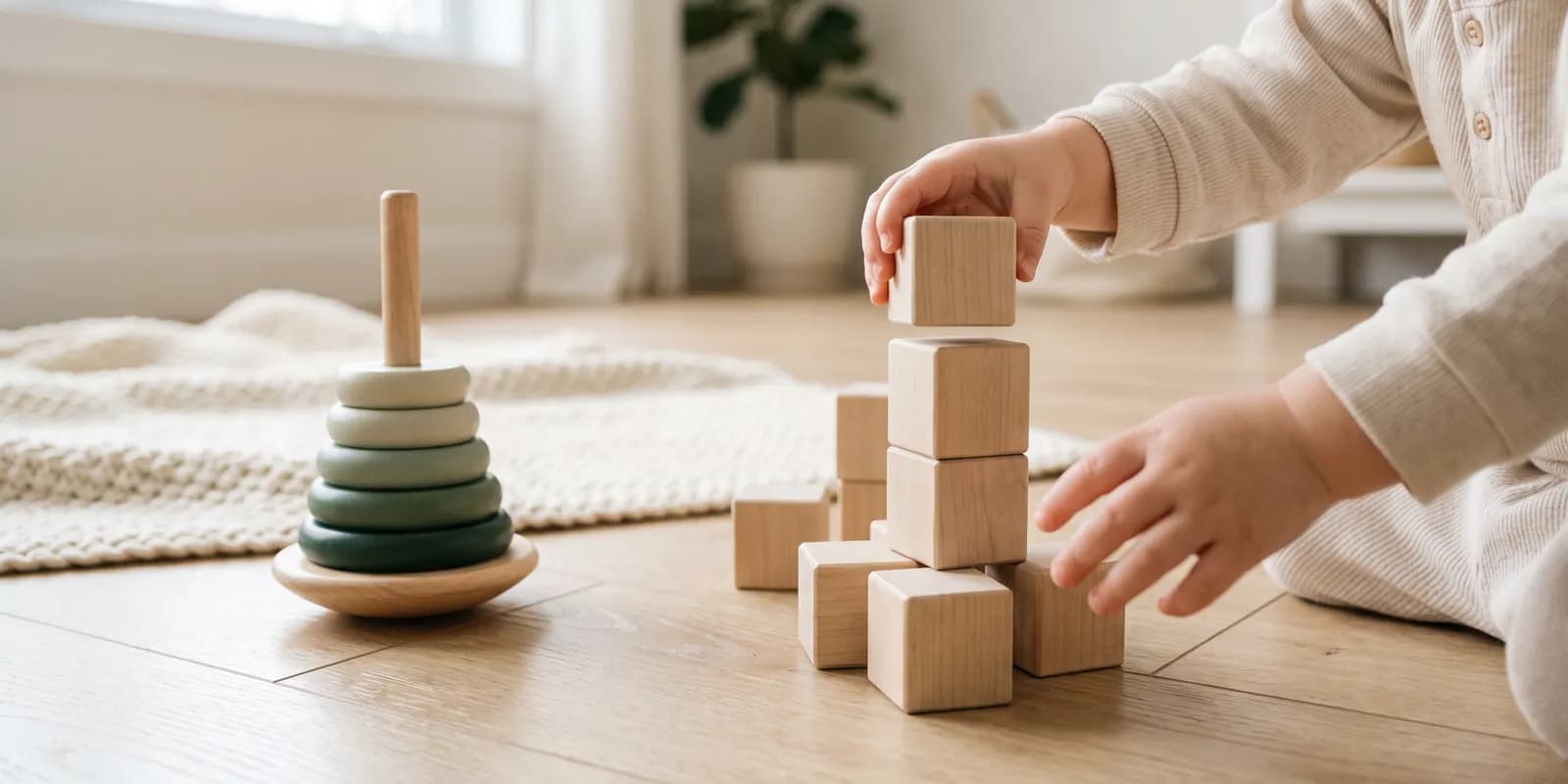
- Balancing and stacking: blocks, stacking rings
- Pretend play: figures, a play kitchen, dress-up
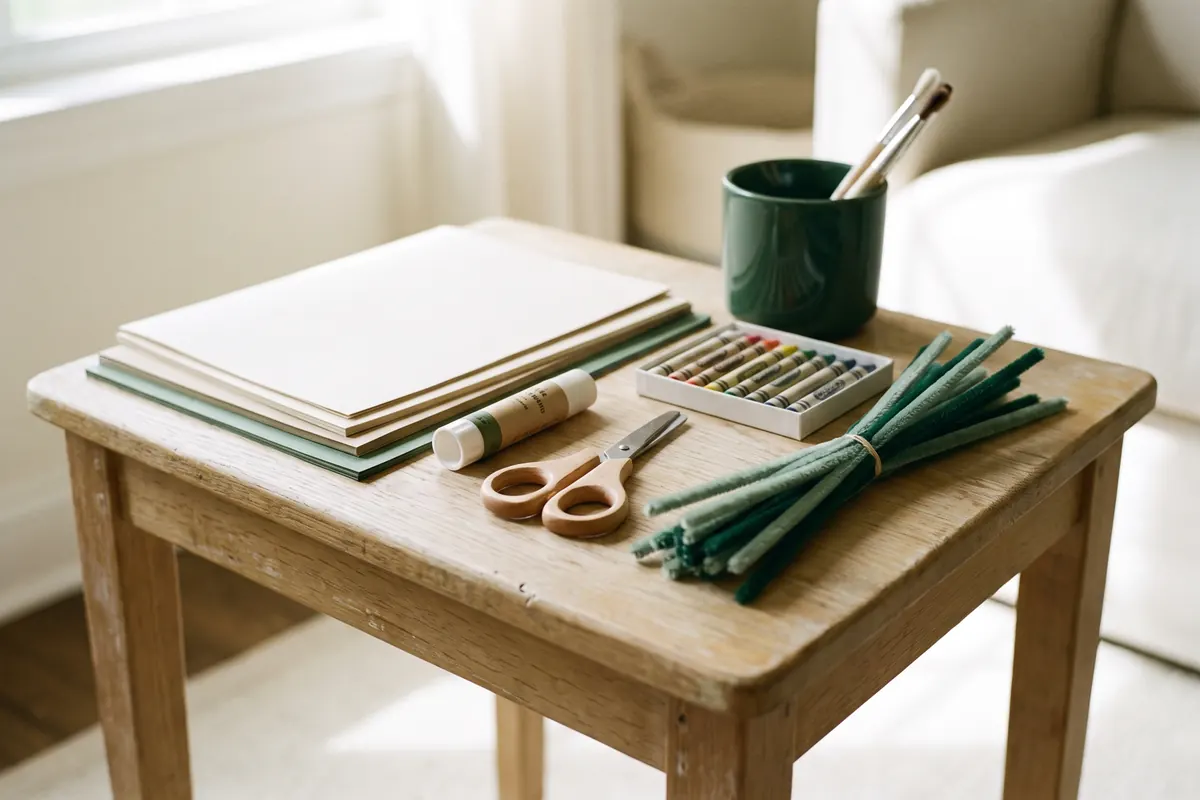
- Making and showing: craft kits, drawing, modelling clay
Buy for what they are working on this month, and the toy sticks.
What durability really means
For toddlers, durable means surviving being thrown, chewed and wiped clean, without splintering or shedding small parts. Solid wood or thick plastic and wipeable surfaces are worth a little more. A decorative finish that chips is not.
For older children, craft kits are meant to be used up, so judge them differently. Ask whether everything needed is actually in the box.
Spending sensibly over a year
Children move through stages faster than any budget likes. That is why fit matters so much. One good set of blocks carries across two or three stages. A stream of stage-specific novelties costs more in total, fills more shelves and gets less play.
Buy fewer toys, buy them for what your child is doing now, and keep them simple.