In short: do the quick, forgiving jobs yourself (wipers, air filter, jump starts, cleaning), do the borderline ones only with proper equipment and a flat place to work, and leave timing, fuel, airbags and warranty work to a mechanic.
Car advice tends to come from two camps. One says any capable adult should service their own car. The other says modern cars are rolling computers and you will only break something. Both cost you money. The useful answer sits in between, and mapping it out can save several hundred a year without a single risky afternoon.
The jobs that pay for the tool on day one
These are cheap, quick and forgiving. Get one wrong and you simply try again.
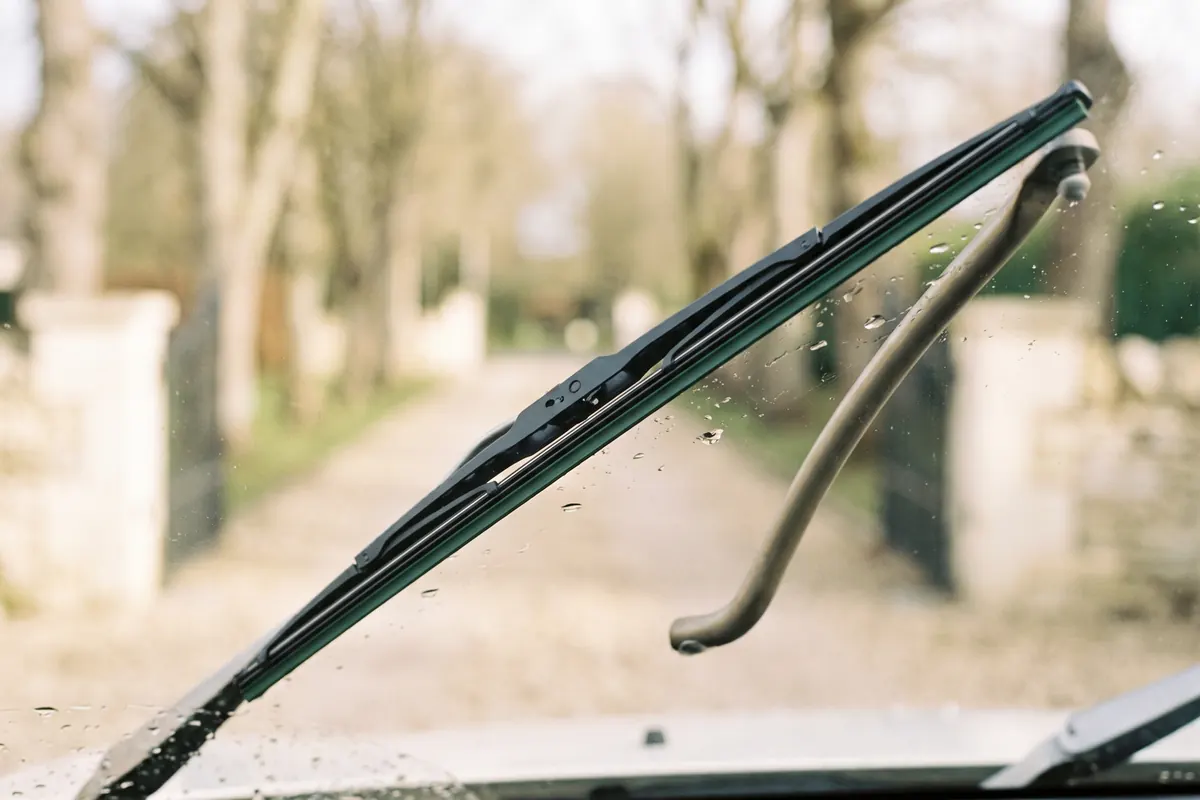
- Wiper blades. They clip on in about ninety seconds. A workshop charges the part plus labour for the same thing.
- Engine air filter. On most cars the housing is a lid and four clips. The filter costs a fraction of the fitted price.
- Cabin filter. Usually behind the glovebox. If your heater smells musty, this is often why.
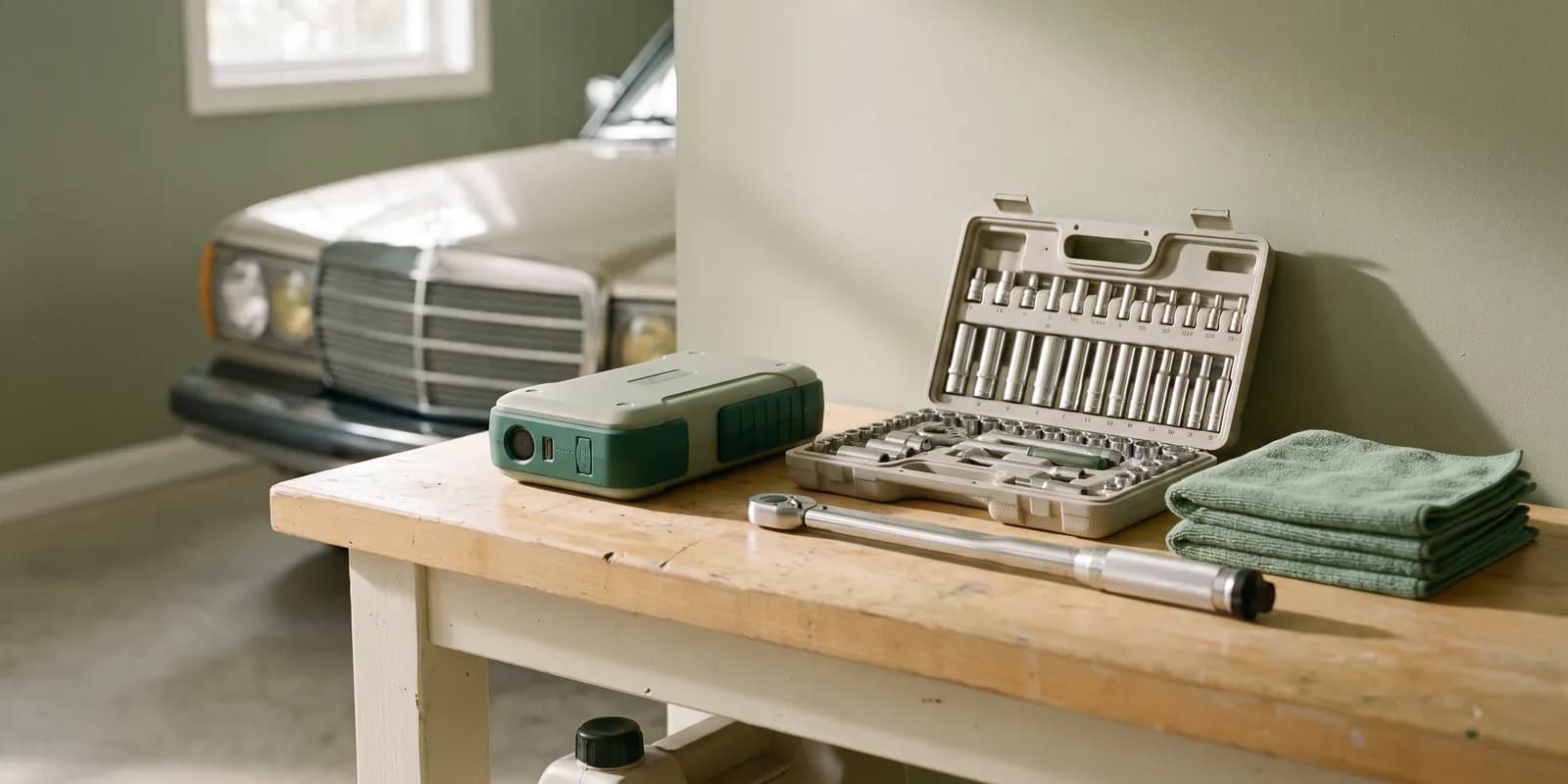
- Jump starting. A portable jump starter costs less than two roadside callouts and lives in the boot until the cold morning it saves your day.
Cleaning belongs on this list too, and it is the one people underrate. Washing and waxing a few times a season is not vanity. It is the difference between paint that looks tired after three winters and paint that still sells the car.
The borderline jobs: only with the right setup
Oil changes, brake pads and battery swaps are well within reach of a careful person. They also have failure modes that cost more than the saving. The question is not whether you can follow a video. It is whether you have three things:
- A flat, solid surface to work on.
- A proper trolley jack and axle stands, not the emergency jack from the boot.
- A way to dispose of old oil, fluids and parts legally.
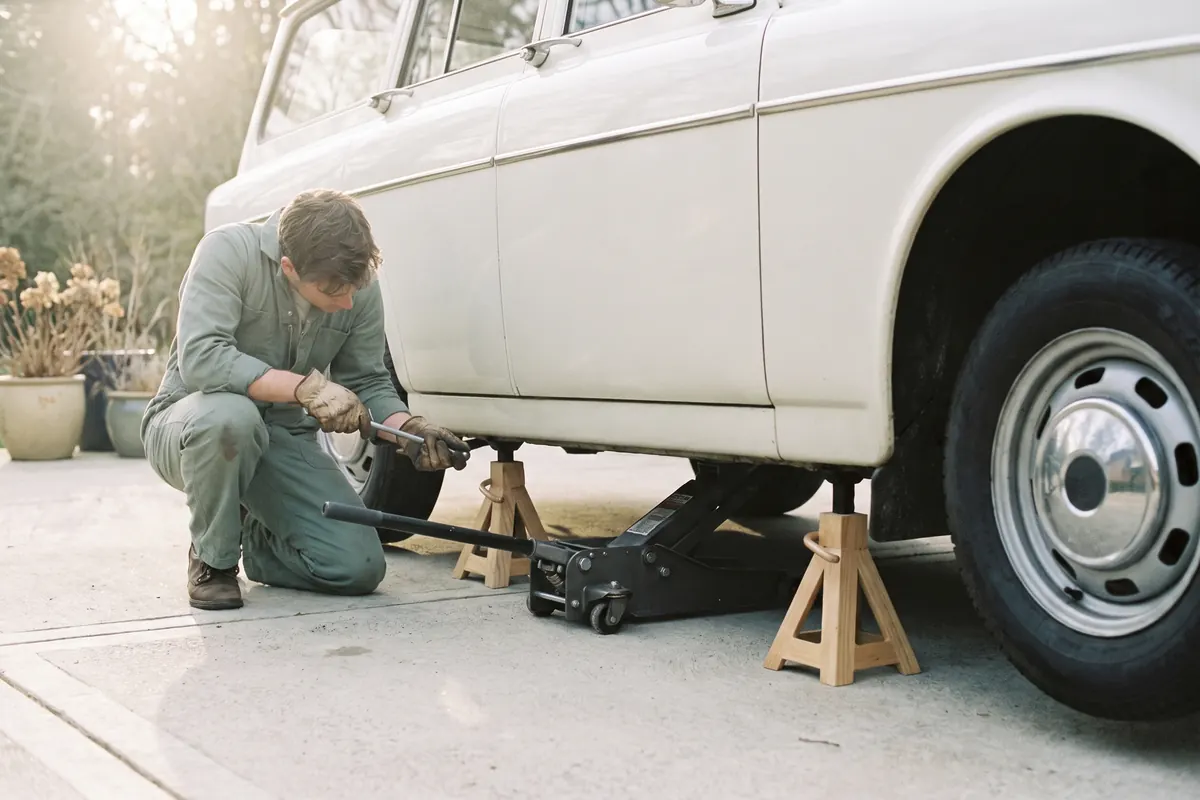
Missing any of those? Then the job is not cheaper, it just moved the risk onto you. If you do go ahead, buy a decent socket set once. A cheap one that rounds off a bolt turns a two-hour job into a tow.
The jobs to leave to a mechanic
Anything touching the timing belt or chain, the fuel system under pressure, airbags, or diagnostics that need dealer-level software is not a saving. Neither is work that has to be signed off for a warranty or an insurance claim. Doing the easy jobs yourself is what frees up the budget to have these done properly.
A starter kit, in the order that saves the most
- Portable jump starter
- Good socket set
- Torque wrench (wheels and brakes need correct tightness, not guesswork)
- Trolley jack and a pair of axle stands
- Wash mitt, microfibre cloths and wax
You do not need all of it this month. The order matters more than the total: each item pays for itself before the next one earns its place.